Filter by
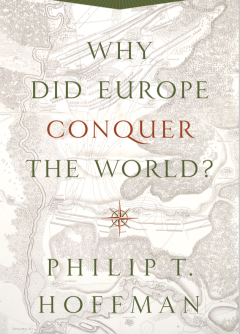
Why Did Europe Conquer the World
Imagine that a time machine could carry you back to the year 900 and land you anywhere on earth for an extended stay. Where would you go live? As you consider the possibilities, you might want a bit of useful advice—namely, avoid western Europe at all costs.1 Why reside there, when it was poor, violent, politically chaotic, and by almost any yard- stick, hopelessly backward? There were no ci…
- Edition
- 1st Edtion
- ISBN/ISSN
- 978-0-691-13970-8
- Collation
- 1-283
- Series Title
- Why Did Europe Conquer the World
- Call Number
- -
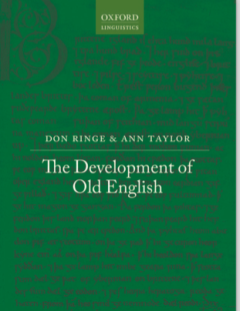
A Linguistic History of English
The purpose of this volume is to outline the linguistic development of Old English (OE) phonology and morphology down to about AD or so, and the development of OE syntax to the end of the OE period. This difference in periodization is dictated by the nature of the material at our disposal. OE phonology and morphology underwent significant changes—some of which are poorly recorded …
- Edition
- 1st Edtion
- ISBN/ISSN
- 978-0-19-920784-8
- Collation
- 1-629
- Series Title
- A Linguistic History of English
- Call Number
- -

Studying Literature in English
This book sets out to give you almost everything that you need as someone beginning to think seriously about literature in English, and not too much that you don’t. Although it divides into various parts, which respectively concentrate on formal, historical and theoretical approaches, it is designed to be read from cover to cover: each chapter assumes information from the previous ones. Stud…
- Edition
- 1st Edtion
- ISBN/ISSN
- 978-0-203-48382-4
- Collation
- 1-212
- Series Title
- Studying Literature in English
- Call Number
- -
LONGMAN ENGLISH GRAMMAR PRACTICE FOR INTERMEDIATE STUDENTS
- Edition
- -
- ISBN/ISSN
- -
- Collation
- -
- Series Title
- LONGMAN ENGLISH GRAMMAR PRACTICE FOR INTERMEDIATE STUDENTS
- Call Number
- -
- Edition
- -
- ISBN/ISSN
- -
- Collation
- -
- Series Title
- LONGMAN ENGLISH GRAMMAR PRACTICE FOR INTERMEDIATE STUDENTS
- Call Number
- -
GRAMMAR USAGE FOR BETTER WRITING
- Edition
- -
- ISBN/ISSN
- 1-56765-117-8
- Collation
- -
- Series Title
- GRAMMAR USAGE FOR BETTER WRITING
- Call Number
- -
- Edition
- -
- ISBN/ISSN
- 1-56765-117-8
- Collation
- -
- Series Title
- GRAMMAR USAGE FOR BETTER WRITING
- Call Number
- -
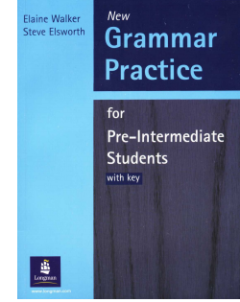
NEW GRAMMAR PRACTICE FOR INTERMEDIATE STUDENTS WITH KEY
- Edition
- -
- ISBN/ISSN
- 0-582-41710-4
- Collation
- -
- Series Title
- NEW GRAMMAR PRACTICE FOR INTERMEDIATE STUDENTS WITH KEY
- Call Number
- -
- Edition
- -
- ISBN/ISSN
- 0-582-41710-4
- Collation
- -
- Series Title
- NEW GRAMMAR PRACTICE FOR INTERMEDIATE STUDENTS WITH KEY
- Call Number
- -
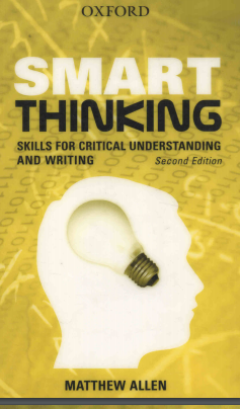
SMART THINKING
- Edition
- -
- ISBN/ISSN
- 0-19-551733-4
- Collation
- -
- Series Title
- SMART THINKING
- Call Number
- -
- Edition
- -
- ISBN/ISSN
- 0-19-551733-4
- Collation
- -
- Series Title
- SMART THINKING
- Call Number
- -
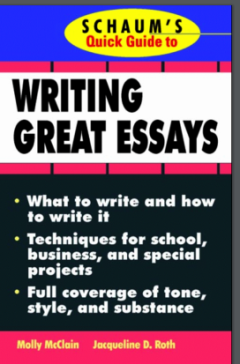
SCHAUM'S QUICK GUIDE TO WRITING GREA ESSAYS
- Edition
- -
- ISBN/ISSN
- -
- Collation
- -
- Series Title
- SCHAUM'S QUICK GUIDE TO WRITING GREA ESSAYS
- Call Number
- -
- Edition
- -
- ISBN/ISSN
- -
- Collation
- -
- Series Title
- SCHAUM'S QUICK GUIDE TO WRITING GREA ESSAYS
- Call Number
- -
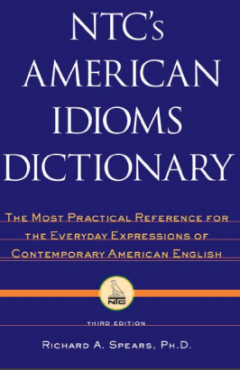
NTC'S AMERICAN IDIOMS DICTIONARY
- Edition
- -
- ISBN/ISSN
- -
- Collation
- -
- Series Title
- NTC'S AMERICAN IDIOMS DICTIONARY
- Call Number
- -
- Edition
- -
- ISBN/ISSN
- -
- Collation
- -
- Series Title
- NTC'S AMERICAN IDIOMS DICTIONARY
- Call Number
- -
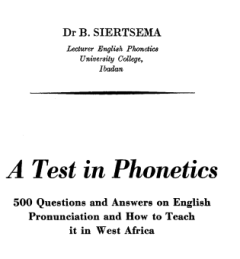
A Test in Phonetics 500 Questions and Answers on English Pronunciation and Ho…
- Edition
- -
- ISBN/ISSN
- 978-90-247-0699-0
- Collation
- -
- Series Title
- A Test in Phonetics 500 Questions and Answers on English Pronunciation and How to Teach it in West Africa
- Call Number
- -
- Edition
- -
- ISBN/ISSN
- 978-90-247-0699-0
- Collation
- -
- Series Title
- A Test in Phonetics 500 Questions and Answers on English Pronunciation and How to Teach it in West Africa
- Call Number
- -
DICTIONARY OF PROBLEM WORDS AND EXPRESSIONS
- Edition
- -
- ISBN/ISSN
- -
- Collation
- -
- Series Title
- DICTIONARY OF PROBLEM WORDS AND EXPRESSIONS
- Call Number
- -
- Edition
- -
- ISBN/ISSN
- -
- Collation
- -
- Series Title
- DICTIONARY OF PROBLEM WORDS AND EXPRESSIONS
- Call Number
- -
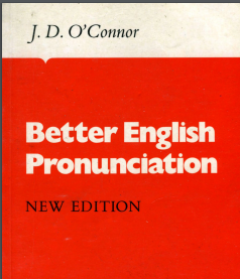
BETTER ENGLISH PRONUNCIATION
- Edition
- 2nd Edition
- ISBN/ISSN
- -
- Collation
- -
- Series Title
- BETTER ENGLISH PRONUNCIATION
- Call Number
- -
- Edition
- 2nd Edition
- ISBN/ISSN
- -
- Collation
- -
- Series Title
- BETTER ENGLISH PRONUNCIATION
- Call Number
- -
English Pronunciation in the Eighteenth Century
- Edition
- -
- ISBN/ISSN
- 0-19-823781-2
- Collation
- -
- Series Title
- English Pronunciation in the Eighteenth Century
- Call Number
- -
- Edition
- -
- ISBN/ISSN
- 0-19-823781-2
- Collation
- -
- Series Title
- English Pronunciation in the Eighteenth Century
- Call Number
- -
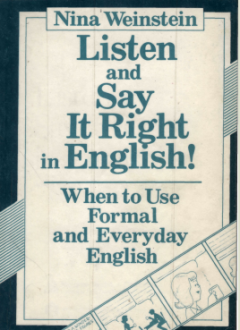
LISTEN & SAY IT RIGHT IN ENGLISH! WHEN TO USE FORMAL AND EVERYDAY ENGLISH
- Edition
- -
- ISBN/ISSN
- -
- Collation
- -
- Series Title
- LISTEN & SAY IT RIGHT IN ENGLISH! WHEN TO USE FORMAL AND EVERYDAY ENGLISH
- Call Number
- -
- Edition
- -
- ISBN/ISSN
- -
- Collation
- -
- Series Title
- LISTEN & SAY IT RIGHT IN ENGLISH! WHEN TO USE FORMAL AND EVERYDAY ENGLISH
- Call Number
- -
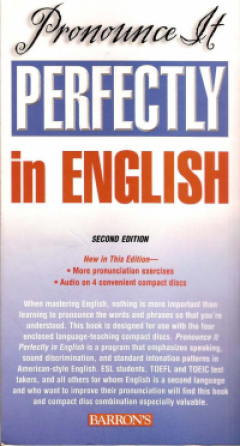
PRONOUNCE IT PERFECTLY IN ENGLISH
- Edition
- 2nd Edition
- ISBN/ISSN
- -
- Collation
- -
- Series Title
- PRONOUNCE IT PERFECTLY IN ENGLISH
- Call Number
- -
- Edition
- 2nd Edition
- ISBN/ISSN
- -
- Collation
- -
- Series Title
- PRONOUNCE IT PERFECTLY IN ENGLISH
- Call Number
- -
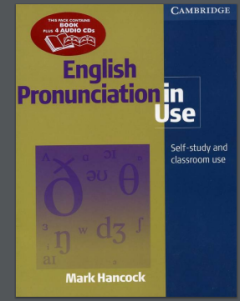
ENGLISH PRONUNCIATION IN USE
- Edition
- -
- ISBN/ISSN
- -
- Collation
- -
- Series Title
- ENGLISH PRONUNCIATION IN USE
- Call Number
- -
- Edition
- -
- ISBN/ISSN
- -
- Collation
- -
- Series Title
- ENGLISH PRONUNCIATION IN USE
- Call Number
- -
ENGLISH PRONUNCIATION IN USE: SELF STUDY AND CLASSROOM USE
English Pronunciation in Use Advanced gives students of English practice in pronunciation to help improve both speaking and listening. Although it has been written so that it can be used for self-study, it will work equally well in a class situation with a teacher. It will be particularly useful for students whose English is adequate for most social, professional or educational purposes, bu…
- Edition
- -
- ISBN/ISSN
- -
- Collation
- -
- Series Title
- ENGLISH PRONUNCIATION IN USE: SELF STUDY AND CLASSROOM USE
- Call Number
- -
PRONUNCIATION DICTIONARY: STUDY GUIDE
- Edition
- -
- ISBN/ISSN
- 0-582-05386-2
- Collation
- -
- Series Title
- PRONUNCIATION DICTIONARY: STUDY GUIDE
- Call Number
- -
- Edition
- -
- ISBN/ISSN
- 0-582-05386-2
- Collation
- -
- Series Title
- PRONUNCIATION DICTIONARY: STUDY GUIDE
- Call Number
- -
SHIP OR SHEEP? AN INTERMEDIATE PRONUNCIATION COURSE
- Edition
- -
- ISBN/ISSN
- -
- Collation
- -
- Series Title
- SHIP OR SHEEP? AN INTERMEDIATE PRONUNCIATION COURSE
- Call Number
- -
- Edition
- -
- ISBN/ISSN
- -
- Collation
- -
- Series Title
- SHIP OR SHEEP? AN INTERMEDIATE PRONUNCIATION COURSE
- Call Number
- -
SPEAK ENGLISH LIKE AN AMERICAN
- Edition
- -
- ISBN/ISSN
- 0-9725300-3-7
- Collation
- -
- Series Title
- SPEAK ENGLISH LIKE AN AMERICAN
- Call Number
- -
- Edition
- -
- ISBN/ISSN
- 0-9725300-3-7
- Collation
- -
- Series Title
- SPEAK ENGLISH LIKE AN AMERICAN
- Call Number
- -
TECHNICAL WRITING MADE EASIER
- Edition
- -
- ISBN/ISSN
- -
- Collation
- -
- Series Title
- TECHNICAL WRITING MADE EASIER
- Call Number
- -
- Edition
- -
- ISBN/ISSN
- -
- Collation
- -
- Series Title
- TECHNICAL WRITING MADE EASIER
- Call Number
- -
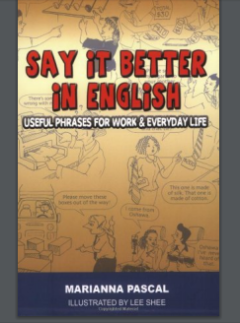
SAY IT BETTER IN ENGLISH: USEFUL PHRASES FOR WORK & EVERYDAY LIFE
- Edition
- -
- ISBN/ISSN
- -
- Collation
- -
- Series Title
- SAY IT BETTER IN ENGLISH: USEFUL PHRASES FOR WORK & EVERYDAY LIFE
- Call Number
- -
- Edition
- -
- ISBN/ISSN
- -
- Collation
- -
- Series Title
- SAY IT BETTER IN ENGLISH: USEFUL PHRASES FOR WORK & EVERYDAY LIFE
- Call Number
- -
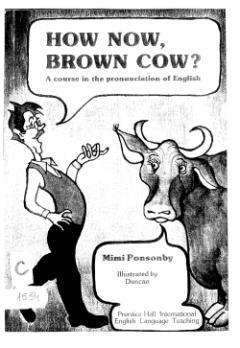
HOW NOW,CROWN COW: A COURSE IN THE PRONUNCIATION OF ENGLISH
- Edition
- -
- ISBN/ISSN
- -
- Collation
- -
- Series Title
- HOW NOW,CROWN COW: A COURSE IN THE PRONUNCIATION OF ENGLISH
- Call Number
- -
- Edition
- -
- ISBN/ISSN
- -
- Collation
- -
- Series Title
- HOW NOW,CROWN COW: A COURSE IN THE PRONUNCIATION OF ENGLISH
- Call Number
- -
ESSENTIAL VOCABULARY
- Edition
- -
- ISBN/ISSN
- -
- Collation
- -
- Series Title
- ESSENTIAL VOCABULARY
- Call Number
- -
- Edition
- -
- ISBN/ISSN
- -
- Collation
- -
- Series Title
- ESSENTIAL VOCABULARY
- Call Number
- -
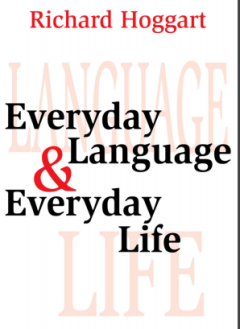
EVERYDAY LANGUAGE & EVERYDAY LIFE
About a year ago, whilst looking rather casually through the preface to an earlier book, A Measured Life (1994), I came upon this sentence: ‘You could write a book about the English character, warts and all, simply by putting together in thematic groups the traditional cant expressions that lubricate our daily life’.
- Edition
- -
- ISBN/ISSN
- 0-7658-0176-0
- Collation
- -
- Series Title
- EVERYDAY LANGUAGE & EVERYDAY LIFE
- Call Number
- -
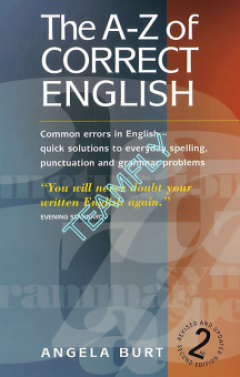
THE A-Z OF CORRECT ENGLISH
The A–Z of Correct English is a reference book which has been written for the student and the general reader. It aims to tackle the basic questions about spelling, punctuation, grammar and word usage that the student and the general reader are likely to ask
- Edition
- -
- ISBN/ISSN
- -
- Collation
- -
- Series Title
- THE A-Z OF CORRECT ENGLISH
- Call Number
- -
THE A-Z OF MEDICAL WRITING
This book has not been written to be read – at least in the usual sense of starting at the beginning, ploughing on to the end, and then remembering (at best) one or two points. I have written it for a completely different purpose, which has come from my experiences over the past 10 years working with doctors and other health professionals to sort out a wide range of writing problems
- Edition
- -
- ISBN/ISSN
- 0-7279-1487-1
- Collation
- -
- Series Title
- THE A-Z OF MEDICAL WRITING
- Call Number
- -
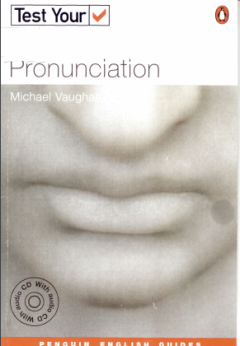
TEST YOUR PRONUNCIATION
- Edition
- -
- ISBN/ISSN
- 0-582-46904-X
- Collation
- -
- Series Title
- TEST YOUR PRONUNCIATION
- Call Number
- -
- Edition
- -
- ISBN/ISSN
- 0-582-46904-X
- Collation
- -
- Series Title
- TEST YOUR PRONUNCIATION
- Call Number
- -
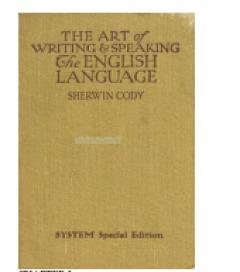
The Art Of Writing & Speaking The English
- Edition
- -
- ISBN/ISSN
- -
- Collation
- -
- Series Title
- The Art Of Writing & Speaking The English
- Call Number
- -
- Edition
- -
- ISBN/ISSN
- -
- Collation
- -
- Series Title
- The Art Of Writing & Speaking The English
- Call Number
- -
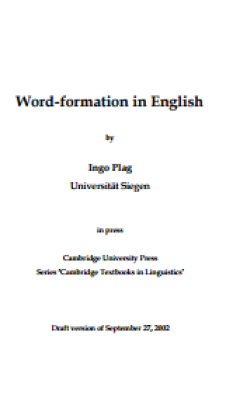
Word-formation in English
The existence of words is usually taken for granted by the speakers of a language. To speak and understand a language means - among many other things - knowing the words of that language
- Edition
- -
- ISBN/ISSN
- -
- Collation
- -
- Series Title
- Word-formation in English
- Call Number
- -
 Computer Science, Information & General Works
  Philosophy & Psychology
  Religion
  Social Sciences
  Language
  Pure Science
  Applied Sciences
  Art & Recreation
  Literature
  History & Geography